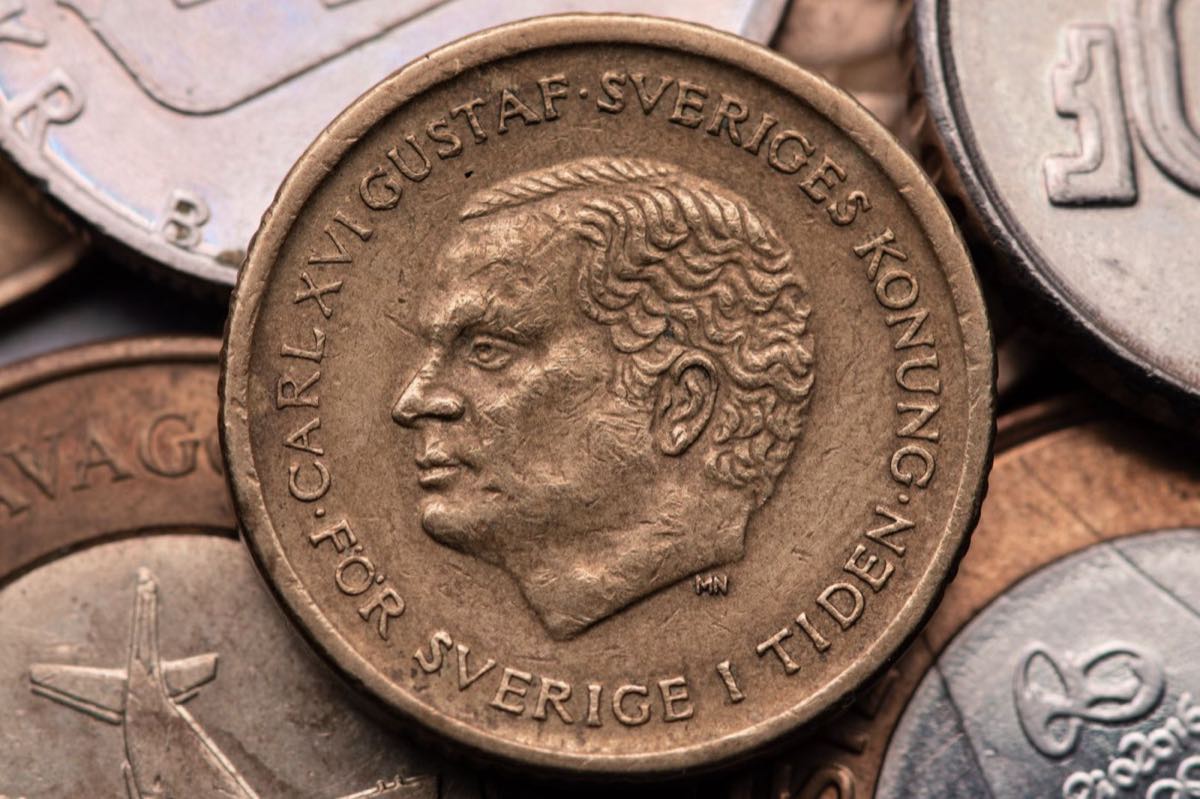
Coin Grading Guide
A coin's grade - its state of preservation - often matters more than its date. The same coin can be worth a few dollars worn and hundreds uncirculated. US coins are graded on the 70-point Sheldon scale, from 1 (barely identifiable) to 70 (perfect).
| Grade | Name | What it means |
|---|---|---|
| P-1 / FR-2 | Poor / Fair | Barely identifiable; heavy wear, date may be faint. |
| AG-3 | About Good | Very worn; rims merge into the lettering. |
| G-4 / G-6 | Good | Heavily worn but the design outline and date are clear. |
| VG-8 / VG-10 | Very Good | Well worn; major details visible, some flat spots. |
| F-12 / F-15 | Fine | Moderate even wear; all lettering and major details sharp. |
| VF-20 to VF-35 | Very Fine | Light to moderate wear on the high points; good detail. |
| XF/EF-40 / 45 | Extremely Fine | Light wear on the highest points only; most detail sharp. |
| AU-50 to AU-58 | About Uncirculated | Just a trace of wear; much original luster remains. |
| MS-60 to MS-70 | Mint State (Uncirculated) | No wear at all. MS-70 is flawless. Small jumps in grade can mean large jumps in value. |
| PR / PF | Proof | A special mirror-finish strike for collectors - a method of manufacture, not a grade of wear. |
Why grade drives value
For a common coin, melt or face value is the floor regardless of grade. For a scarce date, grade is everything: collectors pay steep premiums for sharp detail and original surfaces. That is why a key date is worth having professionally graded.
A few rules of thumb
- Never clean a coin. Cleaning leaves hairlines and can cut value by half or more.
- Handle coins by the edge, over a soft surface.
- For anything that might be a key date or high grade, use a third-party grader (PCGS or NGC). Their slab authenticates and grades the coin and makes it far easier to sell.
Grading involves judgment and graders can disagree by a point or two. See our methodology for how grade feeds into the value estimates on this site.