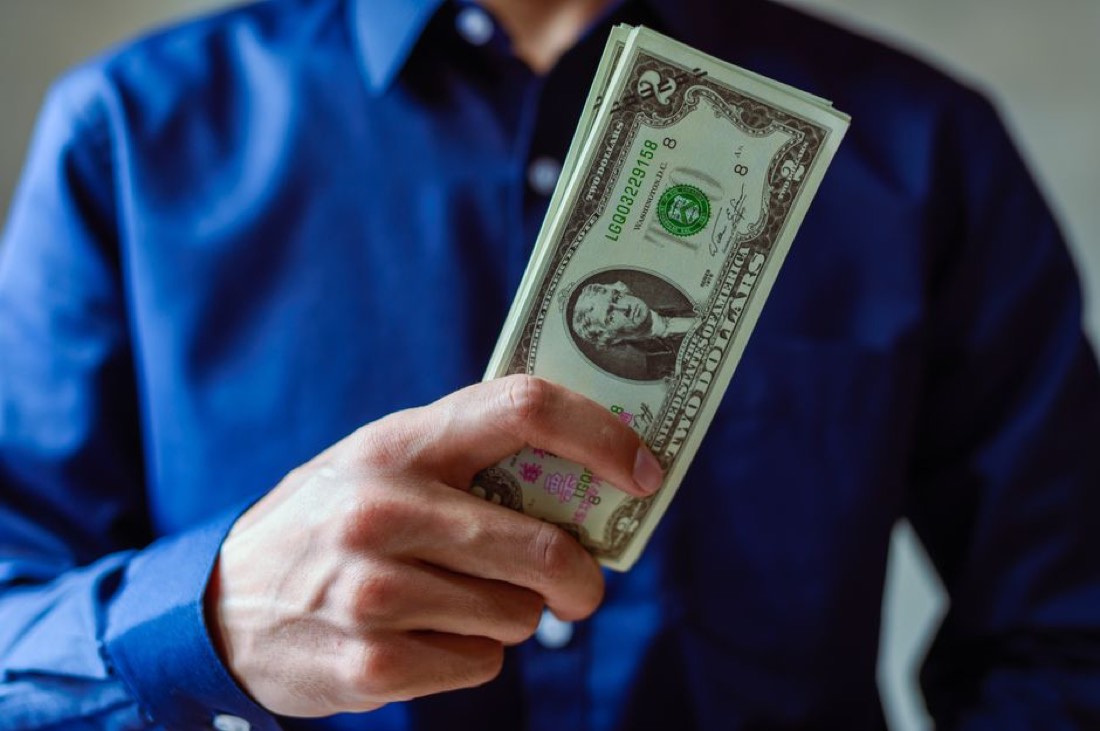
$2 Bill Value
The short answer: most $2 bills are worth exactly $2. The exceptions are old series, red-seal notes, star notes and fancy serial numbers. Find your bill's series year (bottom right of the front) and seal color, then check the table.
| Series | Seal | Typical worth | Notes |
|---|---|---|---|
| 1862-1918 (large size) | Red | Often $100s-$1,000s | Large-size 'horse blanket' notes. Always worth far more than face; value depends heavily on grade and type. |
| 1928 (small size) | Red | ~$10-$100+ | Legal tender red-seal notes. 1928-D/E/F and star notes are the keys; even circulated examples beat face. |
| 1953 | Red | ~$3-$15 | Red-seal legal tender. Common circulated, but crisp notes and stars carry a modest premium. |
| 1963 | Red | ~$3-$12 | Last red-seal $2. Common, but uncirculated and star notes are collectible. |
| 1976-present | Green | Face value (usually) | Federal Reserve notes. Worth $2 unless it is a star note, has a fancy/low serial, a 1976 first-day postmark, or is a high-grade pack-fresh note. |
Check the serial number first
Even a common 1976 or modern $2 bill can be worth a premium if the serial is fancy (radar, low, solid) or it's a star note. That's the quickest thing to rule in or out.
What it actually sells for
Condition is everything with paper money. The reliable number is recent completed sales for your exact series, seal and grade.
See recent sold $2 bills on eBayIndependent listings. Mint Almanac may earn a commission, at no cost to you.