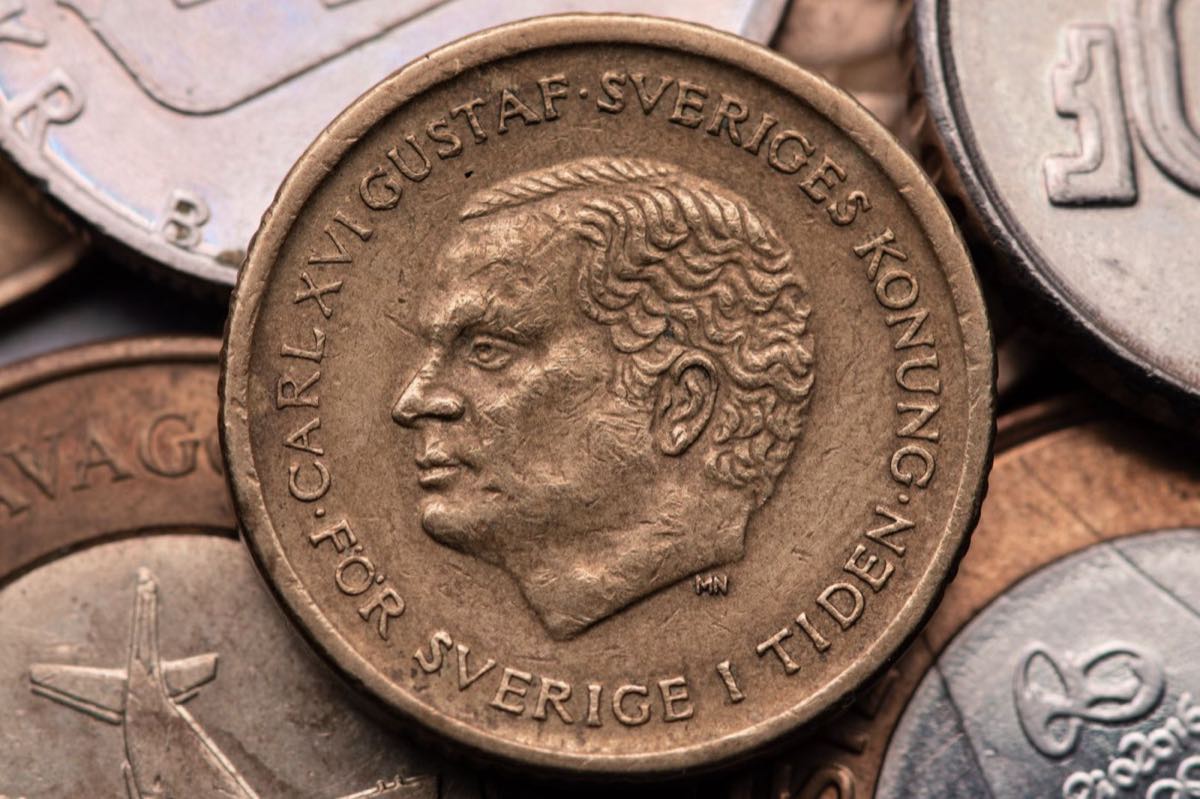
Most Valuable Nickels: Buffalo Keys, War Nickels, and a Modern Jefferson Rarity
The most valuable nickels come down to three things: low original mintage, famous mint errors, and condition. The Buffalo nickel series (1913-1938) holds most of the heavy hitters, but the 1942-1945 'war nickels' contain 35% silver, which gives them a melt-value floor, and even some Jefferson nickels carry a strong premium. Remember that every figure here depends on grade and condition, and for the silver war nickels the melt value is the price floor, not the ceiling.
- 1.
1918/7-D Buffalo Nickel (Overdate)
One of the most famous overdate errors in US coinage, with the underlying 7 visible beneath the second 8 of the date. A genuine die overdate, not a doubled die, and rare in every grade.
Value: A top-condition example has sold for over $350,000 at auction. Even well-worn coins command a strong premium over common dates - check recent sold listings for your grade.
- 2.
1926-S Buffalo Nickel
At 970,000 struck, this is the lowest mintage of the entire Buffalo series and the supreme key date, especially scarce in Mint State.
Value: A pristine Mint State example has sold for well over $300,000. Circulated coins still command a strong premium over common dates - check recent sold listings.
- 3.
1937-D 3-Legged Buffalo Nickel
A famous die-polish error where the buffalo's front leg is nearly absent, leaving only a thin line and hoof, with roughened ground under the belly. The single most collected Buffalo variety.
Value: High-grade examples have sold for over $100,000. Authentic circulated pieces command a strong premium - beware altered fakes and check recent sold listings.
- 4.
1913-S Buffalo Nickel, Type 2
The lowest business-strike mintage of 1913 at 1,209,000, struck with the recessed FIVE CENTS exergue. A classic key date and far scarcer than the Type 1 S.
Value: A finest-known example has sold for over $100,000. Most coins command a strong premium over common dates - check recent sold listings for your grade.
- 5.
1916 Buffalo Nickel, Doubled Die Obverse
A dramatic doubling of the date, with doubling also seen on LIBERTY on some coins. A major rarity that is easy to confuse with machine doubling, so authentication matters.
Value: A top-graded example has sold for over $250,000. Genuine examples command a very strong premium - have it authenticated and check recent sold listings.
- 6.
1921-S Buffalo Nickel
Very low mintage of 1,557,000 and a major key date, with no 1921-D ever struck. A legible date is critical to command full value.
Value: Mint State examples have sold for over $80,000. Even worn coins command a strong premium over common dates - check recent sold listings.
- 7.
1914-D Buffalo Nickel
A classic low-mintage key date at 3,912,000, long recognized as one of the must-have coins to complete the series. The date must be legible for full value.
Value: High-grade examples have sold for tens of thousands of dollars. Circulated coins command a strong premium over common dates - check recent sold listings.
- 8.
1924-S Buffalo Nickel
A major key at just 1,437,000 struck, genuinely scarce in any grade and very rare well-struck. Often overlooked but highly desirable.
Value: Top-condition coins have sold for tens of thousands of dollars. Most examples command a strong premium over common dates - check recent sold listings.
- 9.
1915-S Buffalo Nickel
Very low mintage of 1,505,000 makes this one of the scarcest early S-mint issues in the series.
Value: It commands a strong premium over common dates - check recent sold listings for your grade and condition.
- 10.
1925-S Buffalo Nickel
A notorious condition rarity. While 6,256,000 were struck, strong well-struck and Mint State examples are very scarce and bring large premiums.
Value: Premium-quality Mint State pieces have sold for very strong prices. Strike quality drives value here - check recent sold listings.
- 11.
1950-D Jefferson Nickel
The modern key of the Jefferson series. A low mintage made it the date everyone needed, and it was heavily hoarded in rolls, so it is collectible but not rare.
Value: It commands a steady premium over common Jefferson dates, especially in high Mint State grades - check recent sold listings.
- 12.
1942-1945 Jefferson 'War Nickel' (35% Silver)
Wartime nickels struck in a 35% silver alloy to conserve nickel for the war effort, marked by a large mintmark over Monticello. Common, but they contain real silver.
Value: For these silver coins the melt value is the price floor, not the ceiling. Each contains about 0.056 troy ounce of silver - check the current silver spot price plus any collector premium in higher grades.
- 13.
1913-S Buffalo Nickel, Type 1
A lower-mintage first-year S-mint Type 1 at 2,105,000. A semi-key that is much more available than the Type 2 S but still desirable.
Value: It commands a strong premium over common dates - confirm Type 1 versus the scarcer Type 2 and check recent sold listings.
- 14.
1938-D/S Buffalo Nickel (Overmintmark)
A well-documented overmintmark where an S was punched beneath the D, from S-mint dies repurposed for Denver. The final-year Buffalo with collector appeal.
Value: It commands a premium over the common 1938-D - look for remnants of the underlying S and check recent sold listings for the variety.
FAQ
How do I tell if my nickel is rare?
Start with the date and mintmark (the small letter below FIVE CENTS on Buffalo nickels, or beside Monticello on Jeffersons). Match it against known key dates and varieties like the 1937-D 3-Legged, 1918/7-D overdate, or 1916 doubled die. For the famous error coins, look for the specific diagnostic: a missing front leg, an underlying digit in the date, or doubling. A legible date is essential for value on worn Buffalo nickels. When in doubt, have it authenticated, since altered and counterfeit error coins are common.
Does cleaning a coin hurt its value?
Yes, almost always. Cleaning leaves hairline scratches and strips the original surface, and graders will label a cleaned coin as 'details' or 'cleaned,' which can cut its value sharply. Collectors prize original surfaces and natural toning. Never polish, rub, or use chemicals on a coin you think might be valuable - leave it exactly as found and let a professional handle it.
Where do I sell valuable nickels?
For genuinely rare or high-grade coins, a major auction house or a reputable dealer who specializes in US coins will get you the strongest price, ideally after the coin is graded by PCGS or NGC. For more common dates and war nickels, established coin dealers, well-reviewed online marketplaces, and coin shows work well. Always check recent sold (not asking) prices for your exact date, grade, and variety before accepting an offer.
What is coin grading and why does it matter?
Grading rates a coin's condition on a 70-point scale, from heavily worn to perfect Mint State. Professional services like PCGS and NGC examine, grade, and seal the coin in a tamper-evident holder, which both authenticates it and sets the value. The difference between grades can be enormous - a key-date nickel might be worth a few hundred dollars worn but tens of thousands in high Mint State. For any coin you believe is valuable, third-party grading protects both its authenticity and your sale price.